

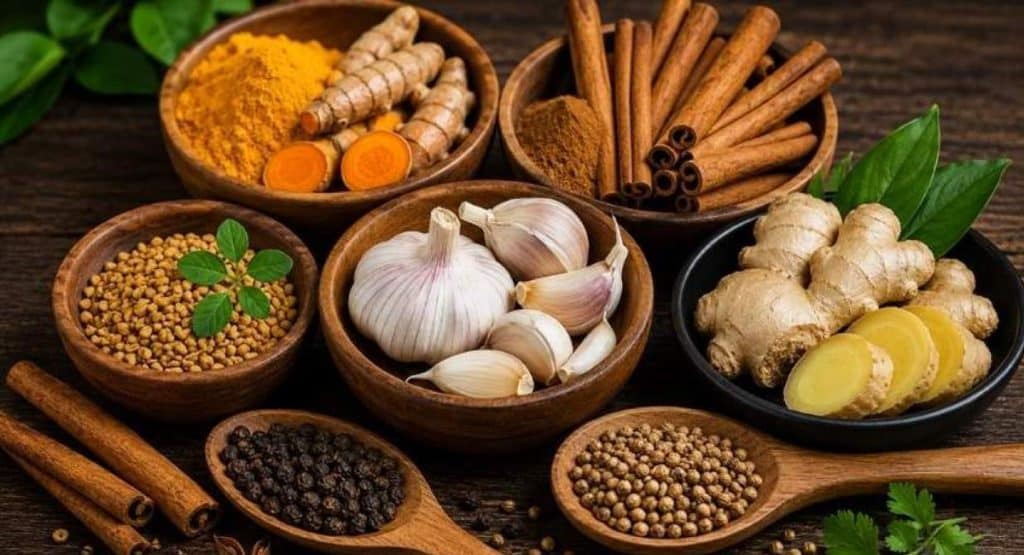
Spices have been used for centuries to enhance the taste, color and aroma of food. However, beyond improving flavor, research suggests that some spices may also play a positive role in maintaining heart health and managing cholesterol levels. Certain kitchen spices may help reduce harmful LDL cholesterol and triglycerides in the blood. Cinnamon, garlic, turmeric, ginger and fenugreek may support metabolism and help lower LDL levels. However, these spices should not be considered medicines; they should be consumed in moderation as part of a balanced diet.
Experts say that spices are not a substitute for medical treatment for high cholesterol. However, incorporating certain spices into the diet, along with healthy eating habits and regular physical activity, may have positive effects on cholesterol levels, inflammation and overall heart health.
A study published in the Current Cardiology Reviews journal reported that antioxidants and plant-based active compounds found in certain spices may help reduce inflammation, improve metabolism and protect blood vessels from damage. The study highlighted the potential benefits of garlic, turmeric, cinnamon, ginger, fenugreek and black pepper.
Here is a closer look at the benefits of these spices in managing cholesterol and triglycerides:
Garlic
Garlic is among the spices that have been extensively studied for their potential cardiovascular benefits. It contains sulfur-based compounds, including allicin, which may play a role in cholesterol management.
A study published in the Journal of Health, Population and Nutrition found that regular consumption of garlic may help reduce total cholesterol and LDL (bad) cholesterol levels in some people. It may also contribute to blood pressure control and improved blood vessel function.
Turmeric
The main active compound in turmeric, curcumin, is well known for its antioxidant and anti-inflammatory properties. By helping reduce inflammation, it may contribute to overall heart health.
A study published in the journal Complementary Therapies in Medicine reported limited positive effects of curcumin on cholesterol management.
Cinnamon
Cinnamon is widely used in both sweet and savory foods. Various studies have examined the effects of its natural compounds on blood sugar and cholesterol levels.
Some research suggests that cinnamon may help reduce LDL cholesterol and triglycerides in certain individuals and may also help regulate blood sugar levels. However, research findings have not been consistent, so cinnamon should not be relied upon as the sole method of managing cholesterol.
Ginger
Ginger contains gingerols and shogaols, which are known for their antioxidant and anti-inflammatory properties.
Several studies suggest that ginger may help improve cholesterol levels, reduce inflammation and support healthy blood circulation.
Fenugreek
Fenugreek is a good source of soluble fiber, which may help reduce the absorption of cholesterol in the digestive system.
A study published in Phytomedicine Plus found that fenugreek may help lower LDL cholesterol and may be particularly beneficial in helping regulate blood sugar levels in people with diabetes. However, larger-scale studies are needed to confirm these effects.
Black Pepper
Black pepper contains piperine, which may enhance the absorption of certain nutrients and compounds, including curcumin from turmeric.
Although there is insufficient evidence that black pepper alone can significantly lower cholesterol, its antioxidant properties may contribute to overall cardiovascular health.
In addition, using freshly ground black pepper instead of excessive salt can enhance the flavor of food while supporting healthier eating habits.
Important Note
Spices can be a useful part of a healthy diet, but they should not replace prescribed cholesterol-lowering medicines or medical advice. People with high cholesterol or triglycerides should follow a balanced diet, exercise regularly and consult a healthcare professional when necessary.